Showing posts with label Biodiesel. Show all posts

Sunday, September 26, 2010

Biodiesel Vaporized into Substitute Natural Gas


Biodiesel Vaporized into Substitute Natural Gas

Comment on this post Posted by John Davis – September 23rd, 2010
A Maryland company has found a way to vaporize biodiesel into a natural gas substitute that can be turned into renewable electric power.

LPP Combustion, LLC announced it has installed the hardware on a demonstration unit in Columbia, MD to get some operational experience:

Generally, combustion of biodiesel in gas turbines requires extra refinement of the fuel due to impurities that can be harmful to gas turbine components. However, by vaporizing the biodiesel into nitrogen before introducing it to the gas turbine as LPP Gas™, the LPP Combustion hardware substantially reduces operational problems associates with conventional burning of biodiesel in gas turbines. Emissions from the C30 gas turbine, operating at full load on LPP Gas™ derived from biodiesel, are 5.6 ppmv NOx and 9 ppmv CO, at 15%O2, improving on the baseline natural gas emissions.

The fuel tested was a canola-based biodiesel provided to LPP Combustion, LLC by Northern Biodiesel, an Ontario, NY company. The C30 gas turbine was on loan from Harbec Plastics, an Ontario, NY based plastics manufacturer. Harbec Plastics intends to convert all 25 of its Capstone C30 gas turbines to operation on biofuels using the LPP Combustion technology, thereby eliminating the CO2 footprint from its plastics manufacturing.

The company has already successfully tested the same gas turbine using this technology on naphtha and on ethanol

More information is available at the company’s website, www.lppcombustion.com

Biodiesel Vaporized into Substitute Natural Gas


Biodiesel Vaporized into Substitute Natural Gas

Comment on this post Posted by John Davis – September 23rd, 2010
A Maryland company has found a way to vaporize biodiesel into a natural gas substitute that can be turned into renewable electric power.

LPP Combustion, LLC announced it has installed the hardware on a demonstration unit in Columbia, MD to get some operational experience:

Generally, combustion of biodiesel in gas turbines requires extra refinement of the fuel due to impurities that can be harmful to gas turbine components. However, by vaporizing the biodiesel into nitrogen before introducing it to the gas turbine as LPP Gas™, the LPP Combustion hardware substantially reduces operational problems associates with conventional burning of biodiesel in gas turbines. Emissions from the C30 gas turbine, operating at full load on LPP Gas™ derived from biodiesel, are 5.6 ppmv NOx and 9 ppmv CO, at 15%O2, improving on the baseline natural gas emissions.

The fuel tested was a canola-based biodiesel provided to LPP Combustion, LLC by Northern Biodiesel, an Ontario, NY company. The C30 gas turbine was on loan from Harbec Plastics, an Ontario, NY based plastics manufacturer. Harbec Plastics intends to convert all 25 of its Capstone C30 gas turbines to operation on biofuels using the LPP Combustion technology, thereby eliminating the CO2 footprint from its plastics manufacturing.

The company has already successfully tested the same gas turbine using this technology on naphtha and on ethanol

More information is available at the company’s website, www.lppcombustion.com

Thursday, December 24, 2009

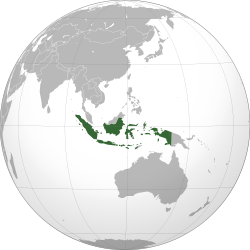
Indonesia pushes biodiesel processing


Feedstock-rich Indonesia is poised to boost production of biodiesel.

The government plans to develop regional centres for processing palm oil into biodiesel and other products.

The government is seeking investment to produce oleochemicals, oils and biodiesel from palm oil.

As the nation awaits a record production of 21.5 million tons of palm oil next year three areas for processing have been readied – Riau, North Sumatra and East Kalimantan.

Indonesia earned $12.4 billion in palm oil revenue last year, making it the country’s largest non-oil and gas export earner, Hatta said.

The country has a potential 18 million hectares of land that can be developed for palm, including 7.9 million hectares of existing areas already planted, Indonesia’s agriculture minister says.

Indonesia pushes biodiesel processing


Feedstock-rich Indonesia is poised to boost production of biodiesel.

The government plans to develop regional centres for processing palm oil into biodiesel and other products.

The government is seeking investment to produce oleochemicals, oils and biodiesel from palm oil.

As the nation awaits a record production of 21.5 million tons of palm oil next year three areas for processing have been readied – Riau, North Sumatra and East Kalimantan.

Indonesia earned $12.4 billion in palm oil revenue last year, making it the country’s largest non-oil and gas export earner, Hatta said.

The country has a potential 18 million hectares of land that can be developed for palm, including 7.9 million hectares of existing areas already planted, Indonesia’s agriculture minister says.

Friday, November 20, 2009

DF Cast: Mixing Ethanol and (Bio) Diesel

DF Cast: Mixing Ethanol and (Bio) Diesel

cleanflexYou can’t burn ethanol in a diesel engine. Nope. Just not done. Like mixing oil and water.

But what if you added more water to the ethanol? And came up with a way to mix the hydrated-ethanol blend with the diesel… or better yet, biodiesel… right at the point of ignition? Ahhh… then you’d have something that National Corn Growers Associationchairman and Nebraska corn farmer Bob Dickey calls the CleanFlex Power System… a new venture he has formed with Ron Preston, president of CleanFlex. Together, they hope to get the 60 million diesel engines in the U.S. to burn some ethanol as well.

They don’t have a Web site, yet, but you can contact CleanFlex at 402-480-0346.

df-logoIn this edition of the Domestic Fuel Cast, listen to Bob and Ron as they discuss how this process works and how it will help renewable fuels meet the next round of emission requirements set to kick in in 2011.

Listen to the podcast here:


DF Cast: Mixing Ethanol and (Bio) Diesel

DF Cast: Mixing Ethanol and (Bio) Diesel

cleanflexYou can’t burn ethanol in a diesel engine. Nope. Just not done. Like mixing oil and water.

But what if you added more water to the ethanol? And came up with a way to mix the hydrated-ethanol blend with the diesel… or better yet, biodiesel… right at the point of ignition? Ahhh… then you’d have something that National Corn Growers Associationchairman and Nebraska corn farmer Bob Dickey calls the CleanFlex Power System… a new venture he has formed with Ron Preston, president of CleanFlex. Together, they hope to get the 60 million diesel engines in the U.S. to burn some ethanol as well.

They don’t have a Web site, yet, but you can contact CleanFlex at 402-480-0346.

df-logoIn this edition of the Domestic Fuel Cast, listen to Bob and Ron as they discuss how this process works and how it will help renewable fuels meet the next round of emission requirements set to kick in in 2011.

Listen to the podcast here:


Sunday, October 4, 2009

Jatrodiesel: making money, growing fast


Inc. Magazine’s list of fastest growing companies featured Ohio’s Jatrodiesel at the 550 slot and ranked 22 in the energy sector. The selection is evidence that there’s still money to be made in the biodiesel industry, despite continued reports of bankruptcies, stalled capacities and high-priced commodities.

“The biodiesel plants that are not doing well basically have two problems,” said Raj Mosali, CEO of Jatrodiesel. “Either they don’t have any cash on hand, or they can’t sell their biodiesel because their price is too high. Right now, there is about 35 cent margin between a producer’s cost and the price of diesel fuel, so a plant that is using multi-feedstock technology and has a pretty lean operation should be able to make money.”

Some biodiesel plants have inefficient technologies and can’t make biodiesel at a reasonable price. In addition, they often don’t have capital to make improvements. “Our growth is coming from our ability to fix issues at existing plants, not from building turn-key operations,” Mosali says. “The plants that do have cash are putting in polishing equipment or adding distillation columns or glycerin recovery, which can really add to the bottom line.”

Jatrodiesel: making money, growing fast


Inc. Magazine’s list of fastest growing companies featured Ohio’s Jatrodiesel at the 550 slot and ranked 22 in the energy sector. The selection is evidence that there’s still money to be made in the biodiesel industry, despite continued reports of bankruptcies, stalled capacities and high-priced commodities.

“The biodiesel plants that are not doing well basically have two problems,” said Raj Mosali, CEO of Jatrodiesel. “Either they don’t have any cash on hand, or they can’t sell their biodiesel because their price is too high. Right now, there is about 35 cent margin between a producer’s cost and the price of diesel fuel, so a plant that is using multi-feedstock technology and has a pretty lean operation should be able to make money.”

Some biodiesel plants have inefficient technologies and can’t make biodiesel at a reasonable price. In addition, they often don’t have capital to make improvements. “Our growth is coming from our ability to fix issues at existing plants, not from building turn-key operations,” Mosali says. “The plants that do have cash are putting in polishing equipment or adding distillation columns or glycerin recovery, which can really add to the bottom line.”

Thursday, October 1, 2009

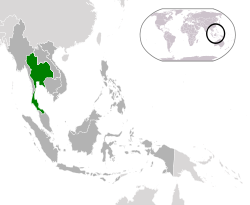
B10 biodiesel tests to start in Thailand


RAYONG : Local field tests will start soon on biodiesel B10, a blend of 10% methyl ester with 90% diesel fuel, according to an Energy Ministry official. PTT Plc and the ministry's Department of Energy Business are carrying out the tests, which are expected to finish next year. The goal is to widen the choice of fuels available to motorists and increase the share of alternative fuels in the country's overall energy use.

The ministry expects biodiesel B5 to replace all existing B2 in the domestic market by 2011, but B10 use is not expected to be universal until 2022.

The ministry introduced B5 in 2007 and manufacturers of diesel-engine cars last month agreed to accredit the fuel.

''We are preparing well in advance to have a guarantee for the public about the quality of B10 before mandatory use in 2022,'' said the official.

The national renewable energy plan projects biodiesel use will reach 4.5 million litres per day, replacing 10% of existing diesel, by 2022.

Ensuring the availability of sufficient raw materials for biodiesel is a key part of the planning process.

''We are in the preparatory stage before the supply of crude palm oil will be enough for the transport sector,'' said the official. ''Raw palm now is slightly in surplus in the food sector.''

Thailand has a total demand for palm-based methyl ester of 1.8 million litres per day, out of overall methyl ester capacity of 4.4 million litres daily.

Biodiesel B5 is rapidly gaining acceptance, according to statistics from the department. Demand for B5 doubled year-on-year in August to 22.3 million litres per day. However, B2 consumption dropped 24% to 23.4 million litres.

Demand for ethanol-blended petrol (gasohol) rose 16.2% to 11.5 million litres per day in August. Gasohol demand has been increasing steadily since 2006, helped by subsidies of pump prices by the state Oil Fund.

B10 biodiesel tests to start in Thailand


RAYONG : Local field tests will start soon on biodiesel B10, a blend of 10% methyl ester with 90% diesel fuel, according to an Energy Ministry official. PTT Plc and the ministry's Department of Energy Business are carrying out the tests, which are expected to finish next year. The goal is to widen the choice of fuels available to motorists and increase the share of alternative fuels in the country's overall energy use.

The ministry expects biodiesel B5 to replace all existing B2 in the domestic market by 2011, but B10 use is not expected to be universal until 2022.

The ministry introduced B5 in 2007 and manufacturers of diesel-engine cars last month agreed to accredit the fuel.

''We are preparing well in advance to have a guarantee for the public about the quality of B10 before mandatory use in 2022,'' said the official.

The national renewable energy plan projects biodiesel use will reach 4.5 million litres per day, replacing 10% of existing diesel, by 2022.

Ensuring the availability of sufficient raw materials for biodiesel is a key part of the planning process.

''We are in the preparatory stage before the supply of crude palm oil will be enough for the transport sector,'' said the official. ''Raw palm now is slightly in surplus in the food sector.''

Thailand has a total demand for palm-based methyl ester of 1.8 million litres per day, out of overall methyl ester capacity of 4.4 million litres daily.

Biodiesel B5 is rapidly gaining acceptance, according to statistics from the department. Demand for B5 doubled year-on-year in August to 22.3 million litres per day. However, B2 consumption dropped 24% to 23.4 million litres.

Demand for ethanol-blended petrol (gasohol) rose 16.2% to 11.5 million litres per day in August. Gasohol demand has been increasing steadily since 2006, helped by subsidies of pump prices by the state Oil Fund.

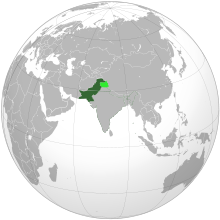
Pakistan plans biodiesel project to reduce imports


ISLAMABAD: To overcome the shortage of petroleum products and reduce its import bill, the government of Pakistan plans to present a pilot project �Jatropha Plantation and Production of Biodiesel� with an estimated cost of $1.6m, official sources said here yesterday.

The Korean government will assist the government in initiating the pilot project through provision of $1.4m while the remaining amount will be provided by the Zarai Taraqiati Bank Limited borrowing.

The pilot project will comprise cultivation of Jatropha on at least 200 hectares of land by farmers and setting up of a bio-diesel production unit. In this way, the farmers will earn from Jatropha farming, farm workers will have employment and small rural enterprises will sell or purchase the seeds.

Small-scale industries will grow for oil production and diesel fuel production would further provide business opportunities. Bio-products like press cake will be traded by villages, energy employment and earning will go together and marginal lands / cultivable wastelands will be utilised.

�The summary of the project has been sent to the Planning Commission for concept clearance so that work on it is processed further with donor agencies,� an official said.

The Zarai bank will play a vital role in promotion of alternate energy source through increase lending for cultivation of crops like Jatropha, Caster, Salicornia, Sukhchayn and algae as raw material for production of biodiesel.

To start with the pilot, the bank will promote plantation of Jatropha trees over 200 hectares.

Pakistan plans biodiesel project to reduce imports


ISLAMABAD: To overcome the shortage of petroleum products and reduce its import bill, the government of Pakistan plans to present a pilot project �Jatropha Plantation and Production of Biodiesel� with an estimated cost of $1.6m, official sources said here yesterday.

The Korean government will assist the government in initiating the pilot project through provision of $1.4m while the remaining amount will be provided by the Zarai Taraqiati Bank Limited borrowing.

The pilot project will comprise cultivation of Jatropha on at least 200 hectares of land by farmers and setting up of a bio-diesel production unit. In this way, the farmers will earn from Jatropha farming, farm workers will have employment and small rural enterprises will sell or purchase the seeds.

Small-scale industries will grow for oil production and diesel fuel production would further provide business opportunities. Bio-products like press cake will be traded by villages, energy employment and earning will go together and marginal lands / cultivable wastelands will be utilised.

�The summary of the project has been sent to the Planning Commission for concept clearance so that work on it is processed further with donor agencies,� an official said.

The Zarai bank will play a vital role in promotion of alternate energy source through increase lending for cultivation of crops like Jatropha, Caster, Salicornia, Sukhchayn and algae as raw material for production of biodiesel.

To start with the pilot, the bank will promote plantation of Jatropha trees over 200 hectares.

Friday, September 11, 2009

Canada invests in biofuel plants


The Government of Canada is investing CA$13.72 million (€8.9 million) over seven years in NorAmera BioEnergy’s bioethanol plant in Weyburn, Saskatchewan, as part of a new EcoEnergy for Biofuels initiative.

‘By investing in this project, we are helping to create and sustain local jobs and economic opportunities while encouraging a healthier environment for all Canadians,’ said Ed Komarnicki, Parliamentary Secretary to the Minister of Human Resources.

Compared to petrol, grain-based bioethanol can reduce greenhouse gas emissions by up to 40% on a life-cycle basis. For biodiesel, the emissions reduction can be as much as 60%.

The Government of Canada will invest up to CA$1.5 billion over nine years through the EcoEnergy for Biofuels programme. In August, Husky Energy was awarded a grant of CA$72.8 million from the Canadian Government towards the cost of its ethanol plant in Minnedosa, Manitoba. The government also recently pledged to provide up to CA$72.4 million in new funding over the next seven years to a biodiesel plant in Hamilton, Ontario.

The Government of Canada's Economic Action Plan also dedicates CA$1 billion to the Clean Energy Fund and CA$1 billion for the Green Infrastructure Fund to provide additional economic stimulus while promoting a cleaner, more sustainable energy future for Canadians.

To find out more about the biofuels industry in Canada attend Biofuels International Canada expo & conference from 28-29 October in Montreal. For more information visit: http://www.biofuelsinternationalexpo.com/canada/

Canada invests in biofuel plants


The Government of Canada is investing CA$13.72 million (€8.9 million) over seven years in NorAmera BioEnergy’s bioethanol plant in Weyburn, Saskatchewan, as part of a new EcoEnergy for Biofuels initiative.

‘By investing in this project, we are helping to create and sustain local jobs and economic opportunities while encouraging a healthier environment for all Canadians,’ said Ed Komarnicki, Parliamentary Secretary to the Minister of Human Resources.

Compared to petrol, grain-based bioethanol can reduce greenhouse gas emissions by up to 40% on a life-cycle basis. For biodiesel, the emissions reduction can be as much as 60%.

The Government of Canada will invest up to CA$1.5 billion over nine years through the EcoEnergy for Biofuels programme. In August, Husky Energy was awarded a grant of CA$72.8 million from the Canadian Government towards the cost of its ethanol plant in Minnedosa, Manitoba. The government also recently pledged to provide up to CA$72.4 million in new funding over the next seven years to a biodiesel plant in Hamilton, Ontario.

The Government of Canada's Economic Action Plan also dedicates CA$1 billion to the Clean Energy Fund and CA$1 billion for the Green Infrastructure Fund to provide additional economic stimulus while promoting a cleaner, more sustainable energy future for Canadians.

To find out more about the biofuels industry in Canada attend Biofuels International Canada expo & conference from 28-29 October in Montreal. For more information visit: http://www.biofuelsinternationalexpo.com/canada/

Tuesday, August 18, 2009

EBB monitoring biodiesel imports from Argentina


The European Biodiesel Board has an ongoing dialogue with the European Commission so it can “react quickly” to any evidence it gathers regarding the U.S. colluding with Argentina to circumvent countervailing measures imposed against the states, said Amandine Lacourt of the EBB. “The situation is currently under investigation,” she told Biodiesel Magazine. “A lot of biodiesel already flows from Argentina to Europe and we have noticed an increase in the volumes, so it might be easier for some fraudulent practices to occur.”

Argentina has a tax system that promotes the processing of soy beans: the tax on raw soybeans is 35 percent; soy oil is 32 percent and soy methyl esters is 20 percent. “So there definitely is an incentive to produce and export biodiesel,” Lacourt says. “With other incentives the tax is even lower, and we think that it is creating distortions in the market. We do know, however, that it is not illegal under WTO rules.”

Of course, this system is entirely different than the U.S. blenders credit, which the EC concluded allowed American producers to sell biodiesel in Europe below cost. This initiated the EC to enact “countervailing measures” to make the competition fair. European parties are concerned however that Argentina and U.S. producers could conspire to circumvent the anti-dumping laws by essentially taking advantage of incentives in both countries, and then selling it in Europe at low cost and high profit.

EBB monitoring biodiesel imports from Argentina


The European Biodiesel Board has an ongoing dialogue with the European Commission so it can “react quickly” to any evidence it gathers regarding the U.S. colluding with Argentina to circumvent countervailing measures imposed against the states, said Amandine Lacourt of the EBB. “The situation is currently under investigation,” she told Biodiesel Magazine. “A lot of biodiesel already flows from Argentina to Europe and we have noticed an increase in the volumes, so it might be easier for some fraudulent practices to occur.”

Argentina has a tax system that promotes the processing of soy beans: the tax on raw soybeans is 35 percent; soy oil is 32 percent and soy methyl esters is 20 percent. “So there definitely is an incentive to produce and export biodiesel,” Lacourt says. “With other incentives the tax is even lower, and we think that it is creating distortions in the market. We do know, however, that it is not illegal under WTO rules.”

Of course, this system is entirely different than the U.S. blenders credit, which the EC concluded allowed American producers to sell biodiesel in Europe below cost. This initiated the EC to enact “countervailing measures” to make the competition fair. European parties are concerned however that Argentina and U.S. producers could conspire to circumvent the anti-dumping laws by essentially taking advantage of incentives in both countries, and then selling it in Europe at low cost and high profit.

Biodiesel, next big thing in Malaysia


"Malaysia Truly Asia" is probably the most recognized national slogan in the marketing world of tourism. But Malaysia is also known for something else that not only benefits their national agenda but can also help with the environment.

"Biodiesel has a very promising prospect for the future as an alternative energy source and it's renewable," Malaysian Ambassador Dato' Ramlan Bin Ibrahim told The Korea Herald.

Malaysia currently accounts for 41 percent of world palm oil production and 47 percent of world exports.

As one of the biggest producers and exporters of palm oil and palm oil products, Malaysia has an important role to play in fulfilling the growing global need for oils.

The majority of its crops go towards its traditional markets for personal hygiene and food and lately the Malaysian government has set its sights on promoting and producing palm oil for the purpose of making biodiesel.

There are new mills and refineries being built by major Malaysian and global companies.

"Now that the Korean government is promoting the green sector, we are ready and able to plug into that initiative by attracting Korean firms into exploring this biodiesel sector with us," he said.

One strong advantage of palm oil production for biodiesel in Malaysia and one that has quieted the naysayers is that every part of the tree is used.

"There is nothing that is unusable so we have Korean firms coming in and helping us with the technology for that," he said.

"Once you have dedicated plantations you can always use every part of the palm oil tree for specific purposes."

The empty branches or byproducts produced after processing are turned into biomass.

"We have Korean companies coming in to look at this alternative energy," Ramlan said. "Biomass can be used for heating; in a way a plantation can be used to meet the current concerns of global warming."

The Malaysian government, like the Korean government, is recognizing the benefits of going green not only for the sake of the environment but also as a possible future business sector.

"We could, in a way, develop together a kind of synergetic partnership," he said. "Korea has the technology and we (Malaysia) have the plantations. We can look at the global market and see how we can expand it and collaborate further while promoting these products in the green areas."

Ramlan explained that the Malaysian government has set up a deliberate environmental policy.

For every project, the Malaysian government conducts an environmental impact assessment.

"We are now factoring how we can balance and make sure that the ecosystem will remain in tact," he said.

The ambassador is also looking to promote its educational sector to Koreans looking to learn English.

"We have agreements with American universities and we provide quality education at a much lower cost because the cost of living in Kuala Lumpur is a fraction of what it costs in London, the United States or Australia," he said.

Ramlan explained that Kuala Lumpur has been turning itself into an education hub not only for university students but also for elementary, middle and high school students.

"Children there will be in an enabling environment where they will use English more than just in the classrooms, this way the language will be alive in them."

As for the mothers who accompany their children to Kuala Lumpur, Ramlan explained that there is a vibrant Korean community there to help newly arrived mothers and their family adapt to their new home.

"In these communities the mothers have something to do while the kids are in school. So that raises the comfort level. A number of them find living in Malaysia pleasant. We have a first class infrastructure and the population speaks English."

Now back to tourism; Malaysia has become one of the preferred destinations for Koreans looking to travel to an exotic country without having to travel many hours.

Multiculturalism has not only made Malaysia a gastronomical paradise, it has also made Malaysia home to hundreds of colorful festivals.

Geographically, Malaysia is as diverse as its culture. Cool hideaways are found in the highlands that roll down to warm, sandy beaches and rich, humid mangroves.

One of Malaysia's key attractions is its extreme contrasts. Towering skyscrapers look down upon wooden houses built on stilts, and five-star hotels sit several meters away from ancient reefs.

"Koreans love Malaysia for golf, it's so cheap. They put themselves at a golf resort and do nothing but play golf."

Golf promotion is a cornerstone in Malaysia's tourism promotion in Korea.

"We are not into the royal entertainment business, we provide specialized, quality lifestyle holiday tours, beautiful beaches, excellent ecotourism, food, our cultural diversity, shopping, everything is so cheap in Kuala Lumpur."

He explained Malaysia is truly Asia because it is located smack in the middle of two giants -- China and India -- plus the country boasts countless ethnic minorities.

"We understand this; it is the basis of our strength," he said.

While Korea is looking for its tourism identity, Malaysia, through its best practices and aggressive marketing campaigns has attracted 22 million visitors last year.

"We have a package for both low- and high-end travelers and also domestic promotions for our own citizens to discover other parts of Malaysia," he said.

"Through tourism we want to promote ourselves and the strength of our diversity."

Biodiesel, next big thing in Malaysia


"Malaysia Truly Asia" is probably the most recognized national slogan in the marketing world of tourism. But Malaysia is also known for something else that not only benefits their national agenda but can also help with the environment.

"Biodiesel has a very promising prospect for the future as an alternative energy source and it's renewable," Malaysian Ambassador Dato' Ramlan Bin Ibrahim told The Korea Herald.

Malaysia currently accounts for 41 percent of world palm oil production and 47 percent of world exports.

As one of the biggest producers and exporters of palm oil and palm oil products, Malaysia has an important role to play in fulfilling the growing global need for oils.

The majority of its crops go towards its traditional markets for personal hygiene and food and lately the Malaysian government has set its sights on promoting and producing palm oil for the purpose of making biodiesel.

There are new mills and refineries being built by major Malaysian and global companies.

"Now that the Korean government is promoting the green sector, we are ready and able to plug into that initiative by attracting Korean firms into exploring this biodiesel sector with us," he said.

One strong advantage of palm oil production for biodiesel in Malaysia and one that has quieted the naysayers is that every part of the tree is used.

"There is nothing that is unusable so we have Korean firms coming in and helping us with the technology for that," he said.

"Once you have dedicated plantations you can always use every part of the palm oil tree for specific purposes."

The empty branches or byproducts produced after processing are turned into biomass.

"We have Korean companies coming in to look at this alternative energy," Ramlan said. "Biomass can be used for heating; in a way a plantation can be used to meet the current concerns of global warming."

The Malaysian government, like the Korean government, is recognizing the benefits of going green not only for the sake of the environment but also as a possible future business sector.

"We could, in a way, develop together a kind of synergetic partnership," he said. "Korea has the technology and we (Malaysia) have the plantations. We can look at the global market and see how we can expand it and collaborate further while promoting these products in the green areas."

Ramlan explained that the Malaysian government has set up a deliberate environmental policy.

For every project, the Malaysian government conducts an environmental impact assessment.

"We are now factoring how we can balance and make sure that the ecosystem will remain in tact," he said.

The ambassador is also looking to promote its educational sector to Koreans looking to learn English.

"We have agreements with American universities and we provide quality education at a much lower cost because the cost of living in Kuala Lumpur is a fraction of what it costs in London, the United States or Australia," he said.

Ramlan explained that Kuala Lumpur has been turning itself into an education hub not only for university students but also for elementary, middle and high school students.

"Children there will be in an enabling environment where they will use English more than just in the classrooms, this way the language will be alive in them."

As for the mothers who accompany their children to Kuala Lumpur, Ramlan explained that there is a vibrant Korean community there to help newly arrived mothers and their family adapt to their new home.

"In these communities the mothers have something to do while the kids are in school. So that raises the comfort level. A number of them find living in Malaysia pleasant. We have a first class infrastructure and the population speaks English."

Now back to tourism; Malaysia has become one of the preferred destinations for Koreans looking to travel to an exotic country without having to travel many hours.

Multiculturalism has not only made Malaysia a gastronomical paradise, it has also made Malaysia home to hundreds of colorful festivals.

Geographically, Malaysia is as diverse as its culture. Cool hideaways are found in the highlands that roll down to warm, sandy beaches and rich, humid mangroves.

One of Malaysia's key attractions is its extreme contrasts. Towering skyscrapers look down upon wooden houses built on stilts, and five-star hotels sit several meters away from ancient reefs.

"Koreans love Malaysia for golf, it's so cheap. They put themselves at a golf resort and do nothing but play golf."

Golf promotion is a cornerstone in Malaysia's tourism promotion in Korea.

"We are not into the royal entertainment business, we provide specialized, quality lifestyle holiday tours, beautiful beaches, excellent ecotourism, food, our cultural diversity, shopping, everything is so cheap in Kuala Lumpur."

He explained Malaysia is truly Asia because it is located smack in the middle of two giants -- China and India -- plus the country boasts countless ethnic minorities.

"We understand this; it is the basis of our strength," he said.

While Korea is looking for its tourism identity, Malaysia, through its best practices and aggressive marketing campaigns has attracted 22 million visitors last year.

"We have a package for both low- and high-end travelers and also domestic promotions for our own citizens to discover other parts of Malaysia," he said.

"Through tourism we want to promote ourselves and the strength of our diversity."

Friday, July 31, 2009

Italians to produce biodiesel from seaweed


Italian biodiesel producers currently producing from food crops are working together to substitute seaweed for first-generation feedstocks.
The eight companies involved in the €10 million scheme currently produce diesel from crops like corn and rapeseed. They hope to be able to produce fuel from seaweed commercially within five years. ‘The initiative aims to substitute or integrate the raw material used today with another which does not compete with crop cultivation,’ said Pier Giuseppe Polla, vice-president of Italy's Union of Biodiesel Producers, which heads the project. The group is currently working with scientists at the University of Florence to select the most suitable species of seaweed. The crop will be contained in plastic tubes and fed with carbon captured from a local power station. The group hopes to have established the technology within two years. It will then build a plant, probably in southern Italy.

Italians to produce biodiesel from seaweed


Italian biodiesel producers currently producing from food crops are working together to substitute seaweed for first-generation feedstocks.
The eight companies involved in the €10 million scheme currently produce diesel from crops like corn and rapeseed. They hope to be able to produce fuel from seaweed commercially within five years. ‘The initiative aims to substitute or integrate the raw material used today with another which does not compete with crop cultivation,’ said Pier Giuseppe Polla, vice-president of Italy's Union of Biodiesel Producers, which heads the project. The group is currently working with scientists at the University of Florence to select the most suitable species of seaweed. The crop will be contained in plastic tubes and fed with carbon captured from a local power station. The group hopes to have established the technology within two years. It will then build a plant, probably in southern Italy.

‘We have lost everything’: extreme rainfall across Asia brings flash floods and typhoons

  Bangladesh is one of several countries in the region to experience heavy rains and flash floods. Photograph: Rayhan Ahmed/Zuma Press Wir...