Tuesday, January 10, 2012

A Scientist, His Work and a Climate Reckoning


(Page 4 of 4) by NYtimes

Their best estimate is that if the amount of carbon dioxide doubles, the temperature of the earth will rise about five or six degrees Fahrenheit. While that may sound small given the daily and seasonal variations in the weather, the number represents an annual global average, and therefore an immense addition of heat to the planet.


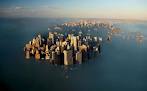
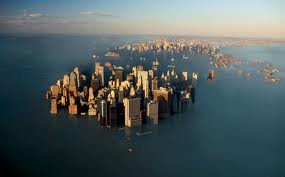
The warming would be higher over land, and it would be greatly amplified at the poles, where a considerable amount of ice might melt, raising sea levels. The deep ocean would also absorb a tremendous amount of heat.

Moreover, scientists say that an increase of five or six degrees is a mildly optimistic outlook. They cannot rule out an increase as high as 18 degrees Fahrenheit, which would transform the planet.

Climate-change contrarians do not accept these numbers.

The Internet has given rise to a vocal cadre of challengers who question every aspect of the science — even the physics, worked out in the 19th century, that shows that carbon dioxide traps heat. That is a point so elementary and well-established that demonstrations of it are routinely carried out by high school students.

However, the contrarians who have most influenced Congress are a handful of men trained in atmospheric physics. They generally accept the rising carbon dioxide numbers, they recognize that the increase is caused by human activity, and they acknowledge that the earth is warming in response.

But they doubt that it will warm nearly as much as mainstream scientists say, arguing that the increase is likely to be less than two degrees Fahrenheit, a change they characterize as manageable.

Among the most prominent of these contrarians is Richard Lindzen of the Massachusetts Institute of Technology, who contends that as the earth initially warms, cloud patterns will shift in a way that should help to limit the heat buildup. Most climate scientists contend that little evidence supports this view, but Dr. Lindzen is regularly consulted on Capitol Hill.

“I am quite willing to state,” Dr. Lindzen said in a speech this year, “that unprecedented climate catastrophes are not on the horizon, though in several thousand years we may return to an ice age.”

The Fuel of Civilization

While the world’s governments have largely accepted the science of climate change, their efforts to bring emissions under control are lagging.

The simple reason is that modern civilization is built on burning fossil fuels. Cars, trucks, power plants, steel mills, farms, planes, cement factories, home furnaces — virtually all of them spew carbon dioxide or lesser heat-trapping gases into the atmosphere.

Developed countries, especially the United States, are largely responsible for the buildup that has taken place since the Industrial Revolution. They have begun to make some headway on the problem, reducing the energy they use to produce a given amount of economic output, with some countries even managing to lower their total emissions.

But these modest efforts are being swamped by rising energy use in developing countries like China, India and Brazil. In those lands, economic growth is not simply desirable — it is a moral imperative, to lift more than a third of the human race out of poverty. A recent scientific paper referred to China’s surge as “the biggest transformation of human well-being the earth has ever seen.”

China’s citizens, on average, still use less than a third of the energy per person as Americans. But with 1.3 billion people, four times as many as the United States, China is so large and is growing so quickly that it has surpassed the United States to become the world’s largest overall user of energy.

Barring some big breakthrough in clean-energy technology, this rapid growth in developing countries threatens to make the emissions problem unsolvable.

Emissions dropped sharply in Western nations in 2009, during the recession that followed the financial crisis, but that decrease was largely offset by continued growth in the East. And for 2010, global emissions are projected to return to the rapid growth of the past decade, rising more than 3 percent a year.

Many countries have, in principle, embraced the idea of trying to limit global warming to two degrees Celsius, or 3.6 degrees Fahrenheit, feeling that any greater warming would pose unacceptable risks. As best scientists can calculate, that means about one trillion tons of carbon can be burned and the gases released into the atmosphere before emissions need to fall to nearly zero.

“It took 250 years to burn the first half-trillion tons,” Myles R. Allen, a leading British climate scientist, said in a briefing. “On current trends, we’ll burn the next half-trillion in less than 40.”

Unless more serious efforts to convert to a new energy system begin soon, scientists argue, it will be impossible to hit the 3.6-degree target, and the risk will increase that global warming could spiral out of control by century’s end.

“We are quickly running out of time,” said Josep G. Canadell, an Australian scientist who tracks emissions

In many countries, the United States and China among them, a conversion of the energy system has begun, with wind turbines and solar panels sprouting across the landscape. But they generate only a tiny fraction of all power, with much of the world’s electricity still coming from the combustion of coal, the dirtiest fossil fuel.

With the exception of European countries, few nations have been willing to raise the cost of fossil fuels or set emissions caps as a way to speed the transformation. In the United States, a particular fear has been that a carbon policy will hurt the country’s industries as they compete with companies abroad whose governments have adopted no such policy.

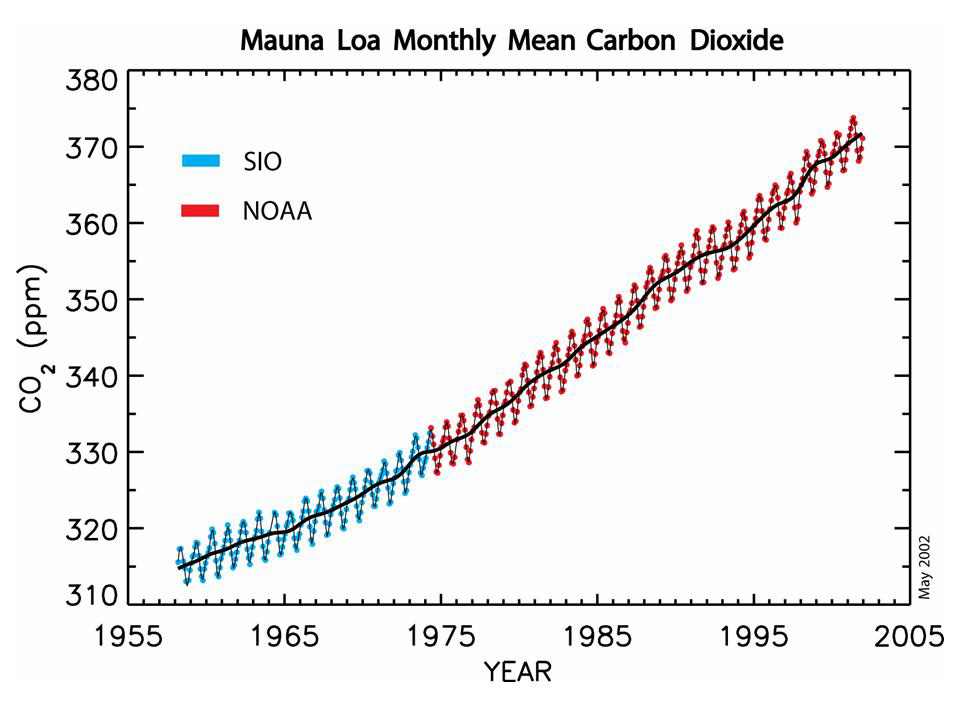
As he watches these difficulties, Ralph Keeling contemplates the unbending math of carbon dioxide emissions first documented by his father more than a half-century ago and wonders about the future effects of that increase.

“When I go see things with my children, I let them know they might not be around when they’re older,” he said. “ ‘Go enjoy these beautiful forests before they disappear. Go enjoy the glaciers in these parks because they won’t be around.’ It’s basically taking note of what we have, and appreciating it, and saying goodbye to it.”

On Dec. 11, another round of international climate negotiations, sponsored by the United Nations, concluded in Cancún. As they have for 18 years running, the gathered nations pledged renewed efforts. But they failed to agree on any binding emission targets.

Late at night, as the delegates were wrapping up in Mexico, the machines atop the volcano in the middle of the Pacific Ocean issued their own silent verdict on the world’s efforts.

At midnight Mauna Loa time, the carbon dioxide level hit 390 — and rising.

A Scientist, His Work and a Climate Reckoning


(Page 4 of 4) by NYtimes

Their best estimate is that if the amount of carbon dioxide doubles, the temperature of the earth will rise about five or six degrees Fahrenheit. While that may sound small given the daily and seasonal variations in the weather, the number represents an annual global average, and therefore an immense addition of heat to the planet.


The warming would be higher over land, and it would be greatly amplified at the poles, where a considerable amount of ice might melt, raising sea levels. The deep ocean would also absorb a tremendous amount of heat.

Moreover, scientists say that an increase of five or six degrees is a mildly optimistic outlook. They cannot rule out an increase as high as 18 degrees Fahrenheit, which would transform the planet.

Climate-change contrarians do not accept these numbers.

The Internet has given rise to a vocal cadre of challengers who question every aspect of the science — even the physics, worked out in the 19th century, that shows that carbon dioxide traps heat. That is a point so elementary and well-established that demonstrations of it are routinely carried out by high school students.

However, the contrarians who have most influenced Congress are a handful of men trained in atmospheric physics. They generally accept the rising carbon dioxide numbers, they recognize that the increase is caused by human activity, and they acknowledge that the earth is warming in response.

But they doubt that it will warm nearly as much as mainstream scientists say, arguing that the increase is likely to be less than two degrees Fahrenheit, a change they characterize as manageable.

Among the most prominent of these contrarians is Richard Lindzen of the Massachusetts Institute of Technology, who contends that as the earth initially warms, cloud patterns will shift in a way that should help to limit the heat buildup. Most climate scientists contend that little evidence supports this view, but Dr. Lindzen is regularly consulted on Capitol Hill.

“I am quite willing to state,” Dr. Lindzen said in a speech this year, “that unprecedented climate catastrophes are not on the horizon, though in several thousand years we may return to an ice age.”

The Fuel of Civilization

While the world’s governments have largely accepted the science of climate change, their efforts to bring emissions under control are lagging.

The simple reason is that modern civilization is built on burning fossil fuels. Cars, trucks, power plants, steel mills, farms, planes, cement factories, home furnaces — virtually all of them spew carbon dioxide or lesser heat-trapping gases into the atmosphere.

Developed countries, especially the United States, are largely responsible for the buildup that has taken place since the Industrial Revolution. They have begun to make some headway on the problem, reducing the energy they use to produce a given amount of economic output, with some countries even managing to lower their total emissions.

But these modest efforts are being swamped by rising energy use in developing countries like China, India and Brazil. In those lands, economic growth is not simply desirable — it is a moral imperative, to lift more than a third of the human race out of poverty. A recent scientific paper referred to China’s surge as “the biggest transformation of human well-being the earth has ever seen.”

China’s citizens, on average, still use less than a third of the energy per person as Americans. But with 1.3 billion people, four times as many as the United States, China is so large and is growing so quickly that it has surpassed the United States to become the world’s largest overall user of energy.

Barring some big breakthrough in clean-energy technology, this rapid growth in developing countries threatens to make the emissions problem unsolvable.

Emissions dropped sharply in Western nations in 2009, during the recession that followed the financial crisis, but that decrease was largely offset by continued growth in the East. And for 2010, global emissions are projected to return to the rapid growth of the past decade, rising more than 3 percent a year.

Many countries have, in principle, embraced the idea of trying to limit global warming to two degrees Celsius, or 3.6 degrees Fahrenheit, feeling that any greater warming would pose unacceptable risks. As best scientists can calculate, that means about one trillion tons of carbon can be burned and the gases released into the atmosphere before emissions need to fall to nearly zero.

“It took 250 years to burn the first half-trillion tons,” Myles R. Allen, a leading British climate scientist, said in a briefing. “On current trends, we’ll burn the next half-trillion in less than 40.”

Unless more serious efforts to convert to a new energy system begin soon, scientists argue, it will be impossible to hit the 3.6-degree target, and the risk will increase that global warming could spiral out of control by century’s end.

“We are quickly running out of time,” said Josep G. Canadell, an Australian scientist who tracks emissions

In many countries, the United States and China among them, a conversion of the energy system has begun, with wind turbines and solar panels sprouting across the landscape. But they generate only a tiny fraction of all power, with much of the world’s electricity still coming from the combustion of coal, the dirtiest fossil fuel.

With the exception of European countries, few nations have been willing to raise the cost of fossil fuels or set emissions caps as a way to speed the transformation. In the United States, a particular fear has been that a carbon policy will hurt the country’s industries as they compete with companies abroad whose governments have adopted no such policy.

As he watches these difficulties, Ralph Keeling contemplates the unbending math of carbon dioxide emissions first documented by his father more than a half-century ago and wonders about the future effects of that increase.

“When I go see things with my children, I let them know they might not be around when they’re older,” he said. “ ‘Go enjoy these beautiful forests before they disappear. Go enjoy the glaciers in these parks because they won’t be around.’ It’s basically taking note of what we have, and appreciating it, and saying goodbye to it.”

On Dec. 11, another round of international climate negotiations, sponsored by the United Nations, concluded in Cancún. As they have for 18 years running, the gathered nations pledged renewed efforts. But they failed to agree on any binding emission targets.

Late at night, as the delegates were wrapping up in Mexico, the machines atop the volcano in the middle of the Pacific Ocean issued their own silent verdict on the world’s efforts.

At midnight Mauna Loa time, the carbon dioxide level hit 390 — and rising.

Monday, January 9, 2012

Brazil sea level (Google translate) Nível do mar sobe cada vez mais rápido no litoral norte de São Paulo


São Paulo University research


Registros apontam elevação de 74 centímetros por século.


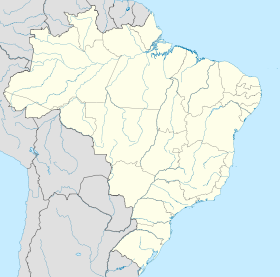
São Paulo – Sobe cada vez mais rápido o nível do mar no litoral norte de São Paulo, aponta pesquisa coordenada pelo professor do Departamento de Engenharia Hidráulica e Ambiental da Universidade de São Paulo (USP), Paolo Alfredini. Com base nos registros feitos de 1944 a 2007 pela Companhia Docas do Estado de São Paulo, em Santos, Alfredini constatou uma elevação do mar de 74 centímetros por século. Também foi analisada a documentação de outras instituições em Ubatuba, São Sebastião e Caraguatatuba .
Nas últimas décadas, no entanto, o avanço das águas marítimas foi mais rápido. “Nos últimos 20 anos, analisando esses dados, a gente nota que tem havido uma aceleração. Isso aparentemente está ligado ao fato que as temperaturas têm aumentado mais nesse período”, ressaltou o professor. Com isso, a estimativa de Alfredini é que neste século o nível do mar suba cerca de 1 metro.
Um aumento desse nível significa, segundo Alfredini, a perda de 100 metros de praia em áreas com declividades suaves. Essa aproximação das águas pode colocar em risco construções à beira-mar. “A quebra da onda vai ficar muito mais próxima das avenidas, onde existem ocupações urbanas. Vai começar a solapar e erodir muros”, disse. “Tubulações que passem perto da praia, como emissários de esgoto, interceptores de águas pluviais, podem vir a ser descalçados e eventualmente até romper”, completou.
Outro fator que ameaça as construções costeiras, verificado no estudo, é o aumento da altura das ondas nas ressacas e tempestades marítimas, além do aumento da frequência desses fenômenos. “Havendo um recrudescimento das ondas, isso também vai provocar mais erosões [nas praias]”, alertou o pesquisador.
A elevação do nível do mar poderá ainda, segundo Alfredini, causar problemas para o abastecimento de água em algumas cidades. Segundo ele, esse processo tende a causar um aumento no volume de água que se infiltra nos rios. “ Portanto, as tomadas de água para abastecimento público e industrial poderão começar a receber água com maior teor de salinidade. E isso pode começar a complicar ou inviabilizar o tratamento da água”.
Para amenizar esses problemas, o pesquisador aponta a necessidade de preparação das cidades afetadas, com a construção, por exemplo, de obras de defesa costeira. “Tem que ter nesses governos municipais, principalmente, que estão em áreas de extremo risco, consciência de que isso é uma realidade”.

Brazil sea level (Google translate) Nível do mar sobe cada vez mais rápido no litoral norte de São Paulo


São Paulo University research


Registros apontam elevação de 74 centímetros por século.


São Paulo – Sobe cada vez mais rápido o nível do mar no litoral norte de São Paulo, aponta pesquisa coordenada pelo professor do Departamento de Engenharia Hidráulica e Ambiental da Universidade de São Paulo (USP), Paolo Alfredini. Com base nos registros feitos de 1944 a 2007 pela Companhia Docas do Estado de São Paulo, em Santos, Alfredini constatou uma elevação do mar de 74 centímetros por século. Também foi analisada a documentação de outras instituições em Ubatuba, São Sebastião e Caraguatatuba .
Nas últimas décadas, no entanto, o avanço das águas marítimas foi mais rápido. “Nos últimos 20 anos, analisando esses dados, a gente nota que tem havido uma aceleração. Isso aparentemente está ligado ao fato que as temperaturas têm aumentado mais nesse período”, ressaltou o professor. Com isso, a estimativa de Alfredini é que neste século o nível do mar suba cerca de 1 metro.
Um aumento desse nível significa, segundo Alfredini, a perda de 100 metros de praia em áreas com declividades suaves. Essa aproximação das águas pode colocar em risco construções à beira-mar. “A quebra da onda vai ficar muito mais próxima das avenidas, onde existem ocupações urbanas. Vai começar a solapar e erodir muros”, disse. “Tubulações que passem perto da praia, como emissários de esgoto, interceptores de águas pluviais, podem vir a ser descalçados e eventualmente até romper”, completou.
Outro fator que ameaça as construções costeiras, verificado no estudo, é o aumento da altura das ondas nas ressacas e tempestades marítimas, além do aumento da frequência desses fenômenos. “Havendo um recrudescimento das ondas, isso também vai provocar mais erosões [nas praias]”, alertou o pesquisador.
A elevação do nível do mar poderá ainda, segundo Alfredini, causar problemas para o abastecimento de água em algumas cidades. Segundo ele, esse processo tende a causar um aumento no volume de água que se infiltra nos rios. “ Portanto, as tomadas de água para abastecimento público e industrial poderão começar a receber água com maior teor de salinidade. E isso pode começar a complicar ou inviabilizar o tratamento da água”.
Para amenizar esses problemas, o pesquisador aponta a necessidade de preparação das cidades afetadas, com a construção, por exemplo, de obras de defesa costeira. “Tem que ter nesses governos municipais, principalmente, que estão em áreas de extremo risco, consciência de que isso é uma realidade”.

Saturday, January 7, 2012

Brazil sea level (Google translate) Nível do mar sobe cada vez mais rápido no litoral norte de São Paulo


São Paulo University research


Registros apontam elevação de 74 centímetros por século.


São Paulo – Sobe cada vez mais rápido o nível do mar no litoral norte de São Paulo, aponta pesquisa coordenada pelo professor do Departamento de Engenharia Hidráulica e Ambiental da Universidade de São Paulo (USP), Paolo Alfredini. Com base nos registros feitos de 1944 a 2007 pela Companhia Docas do Estado de São Paulo, em Santos, Alfredini constatou uma elevação do mar de 74 centímetros por século. Também foi analisada a documentação de outras instituições em Ubatuba, São Sebastião e Caraguatatuba .
Nas últimas décadas, no entanto, o avanço das águas marítimas foi mais rápido. “Nos últimos 20 anos, analisando esses dados, a gente nota que tem havido uma aceleração. Isso aparentemente está ligado ao fato que as temperaturas têm aumentado mais nesse período”, ressaltou o professor. Com isso, a estimativa de Alfredini é que neste século o nível do mar suba cerca de 1 metro.
Um aumento desse nível significa, segundo Alfredini, a perda de 100 metros de praia em áreas com declividades suaves. Essa aproximação das águas pode colocar em risco construções à beira-mar. “A quebra da onda vai ficar muito mais próxima das avenidas, onde existem ocupações urbanas. Vai começar a solapar e erodir muros”, disse. “Tubulações que passem perto da praia, como emissários de esgoto, interceptores de águas pluviais, podem vir a ser descalçados e eventualmente até romper”, completou.
Outro fator que ameaça as construções costeiras, verificado no estudo, é o aumento da altura das ondas nas ressacas e tempestades marítimas, além do aumento da frequência desses fenômenos. “Havendo um recrudescimento das ondas, isso também vai provocar mais erosões [nas praias]”, alertou o pesquisador.
A elevação do nível do mar poderá ainda, segundo Alfredini, causar problemas para o abastecimento de água em algumas cidades. Segundo ele, esse processo tende a causar um aumento no volume de água que se infiltra nos rios. “ Portanto, as tomadas de água para abastecimento público e industrial poderão começar a receber água com maior teor de salinidade. E isso pode começar a complicar ou inviabilizar o tratamento da água”.
Para amenizar esses problemas, o pesquisador aponta a necessidade de preparação das cidades afetadas, com a construção, por exemplo, de obras de defesa costeira. “Tem que ter nesses governos municipais, principalmente, que estão em áreas de extremo risco, consciência de que isso é uma realidade”.

Brazil sea level (Google translate) Nível do mar sobe cada vez mais rápido no litoral norte de São Paulo


São Paulo University research


Registros apontam elevação de 74 centímetros por século.


São Paulo – Sobe cada vez mais rápido o nível do mar no litoral norte de São Paulo, aponta pesquisa coordenada pelo professor do Departamento de Engenharia Hidráulica e Ambiental da Universidade de São Paulo (USP), Paolo Alfredini. Com base nos registros feitos de 1944 a 2007 pela Companhia Docas do Estado de São Paulo, em Santos, Alfredini constatou uma elevação do mar de 74 centímetros por século. Também foi analisada a documentação de outras instituições em Ubatuba, São Sebastião e Caraguatatuba .
Nas últimas décadas, no entanto, o avanço das águas marítimas foi mais rápido. “Nos últimos 20 anos, analisando esses dados, a gente nota que tem havido uma aceleração. Isso aparentemente está ligado ao fato que as temperaturas têm aumentado mais nesse período”, ressaltou o professor. Com isso, a estimativa de Alfredini é que neste século o nível do mar suba cerca de 1 metro.
Um aumento desse nível significa, segundo Alfredini, a perda de 100 metros de praia em áreas com declividades suaves. Essa aproximação das águas pode colocar em risco construções à beira-mar. “A quebra da onda vai ficar muito mais próxima das avenidas, onde existem ocupações urbanas. Vai começar a solapar e erodir muros”, disse. “Tubulações que passem perto da praia, como emissários de esgoto, interceptores de águas pluviais, podem vir a ser descalçados e eventualmente até romper”, completou.
Outro fator que ameaça as construções costeiras, verificado no estudo, é o aumento da altura das ondas nas ressacas e tempestades marítimas, além do aumento da frequência desses fenômenos. “Havendo um recrudescimento das ondas, isso também vai provocar mais erosões [nas praias]”, alertou o pesquisador.
A elevação do nível do mar poderá ainda, segundo Alfredini, causar problemas para o abastecimento de água em algumas cidades. Segundo ele, esse processo tende a causar um aumento no volume de água que se infiltra nos rios. “ Portanto, as tomadas de água para abastecimento público e industrial poderão começar a receber água com maior teor de salinidade. E isso pode começar a complicar ou inviabilizar o tratamento da água”.
Para amenizar esses problemas, o pesquisador aponta a necessidade de preparação das cidades afetadas, com a construção, por exemplo, de obras de defesa costeira. “Tem que ter nesses governos municipais, principalmente, que estão em áreas de extremo risco, consciência de que isso é uma realidade”.

Drone footage shows severe drought hitting river in Brazil – video

  Drone footage from 17 September shows the Araguaia River drying up, as severe drought grips parts of Brazil. The country is preparing for ...